5 Free Halloween Bat Amigurumi Patterns: Easy Crochet
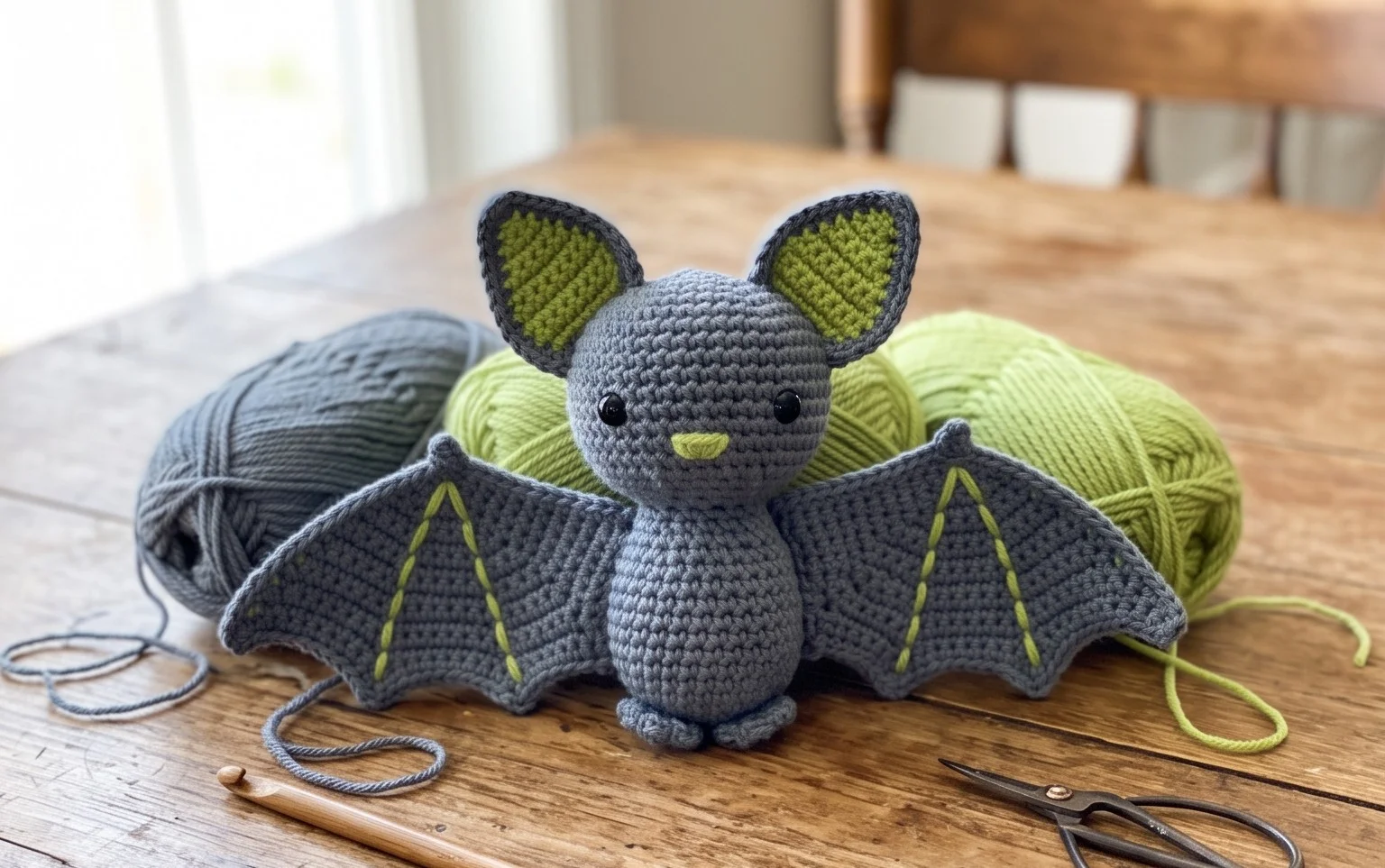
These tiny bats feature soft, velvet-like yarn and simple stuffed bodies that fit right in the palm of your hand. Making them is a great way to use up leftover yarn scraps from larger projects while creating festive decorations for a mantel or a child’s toy basket. You will work mostly in continuous rounds using basic increases and decreases, which makes these projects fast enough to finish in a single evening. The resulting creatures have sturdy wings and pointy ears that stand up on their own without needing extra stiffening agents like wire or felt inserts.
Why You’ll Love This Pattern
This classic crochet dishcloth is designed with a durable, textured stitch pattern that scrubs effectively without scratching delicate glassware or non-stick surfaces. Because it relies on simple repeating stitches, it serves as a meditative project for experienced crocheters while remaining approachable for those who have just mastered basic chains and double crochet. You can finish one of these in under an hour, making them an ideal choice for last-minute housewarming gifts or quick market inventory. The cotton fiber structure ensures that the cloth remains absorbent and holds its shape through hundreds of wash cycles.
I managed to whip up a set of four for my kitchen in just one weekend. The texture is much more effective than the store-bought sponges I used to rely on.
— Sarah, home crafter
Pattern Overview & Skill Level
- Skill Level: Beginner
- Approximate Time: 45–60 minutes per cloth
- Construction: Worked in flat rows starting from a foundation chain
- Finished Dimensions: 8 inches by 8 inches
Materials & Supplies Needed
- Yarn: Worsted weight (#4) 100% cotton yarn, approximately 75 yards per cloth. Solid colors are recommended to highlight the stitch texture.
- Hook Size: 5.0 mm (US H-8) to create a slightly firm, non-stretchy fabric.
- Notions: Tapestry needle for weaving in ends and a pair of sharp fabric scissors.
- Yarn Substitutions: You may use a cotton-acrylic blend for a softer feel, though 100% cotton is superior for heat resistance and moisture absorption. Avoid wool, as it will felt when used for daily cleaning.
Stitch Guide & Abbreviations (US Terms)
- ch = chain
- dc = double crochet
- sc = single crochet
- st(s) = stitch(es)
- sk = skip
- yo = yarn over
Step-by-Step Pattern Instructions
Main Dishcloth Body
- Row 1: Ch 30. Dc in the 4th ch from the hook and in each remaining ch across. (28 sts)
- Row 2: Ch 1, turn. Sc in the first st. Ch 1, sk next st, sc in next st. Repeat from * to * until the end of the row, ending with an sc in the top of the turning ch. (28 sts)
- Row 3: Ch 3 (counts as first dc), turn. Dc in each sc and each ch-space across the row. (28 sts)
- Row 4: Repeat Row 2.
- Row 5: Repeat Row 3.
- Rows 6–25: Continue alternating Row 2 and Row 3 until the piece reaches approximately 8 inches in height.
- Finishing: Fasten off, leaving a 6-inch tail. Use your tapestry needle to weave the yarn tail securely into the back of the work.
Care & Washing Instructions
- Machine wash in warm water on a gentle cycle to remove oils and food residue.
- Lay flat on a clean towel to air dry, as high-heat machine drying can shrink natural cotton fibers.
- Reshape the dishcloth while damp to ensure the square corners stay even during the drying process.
Pro Tips & Common Mistakes to Avoid
Maintain consistent tension throughout the project to ensure the square edges remain straight. If your dishcloth begins to look like a trapezoid, your tension is likely tightening as you move toward the end of each row. Always use a stitch marker in the first stitch of every row to avoid accidentally skipping the turning chain, which is a common source of dropped stitches. If you want to customize the size, ensure your starting chain is an even number to keep the ch-1 space pattern working correctly. Keep in mind that a larger cloth will require significantly more yardage, so weigh your yarn before starting if you are working from a small leftover skein.
Frequently Asked Questions
Can I use a larger hook to make this project go faster?
Using a larger hook will make the fabric loose and prone to stretching out of shape. For a dishcloth, a firm, dense fabric is necessary to ensure it holds up to scrubbing, so stick to the recommended 5.0 mm hook.
What is the best way to substitute the yarn type?
Stick to plant-based fibers like cotton, linen, or bamboo. Synthetic fibers like acrylic do not absorb water well and are not suitable for dishcloths, as they can melt if they touch a hot pan surface.
Is this pattern suitable for someone who has only learned to chain?
Yes, this is an excellent second project. It uses only single and double crochet stitches, which are the fundamental building blocks of almost all crochet patterns, and it is small enough to keep your focus sharp.
Am I allowed to sell the dishcloths I make from this pattern?
Yes, you are welcome to sell finished items made from this pattern at markets or online. Please credit the design to this tutorial whenever possible, but do not reproduce or sell the text of the pattern itself.
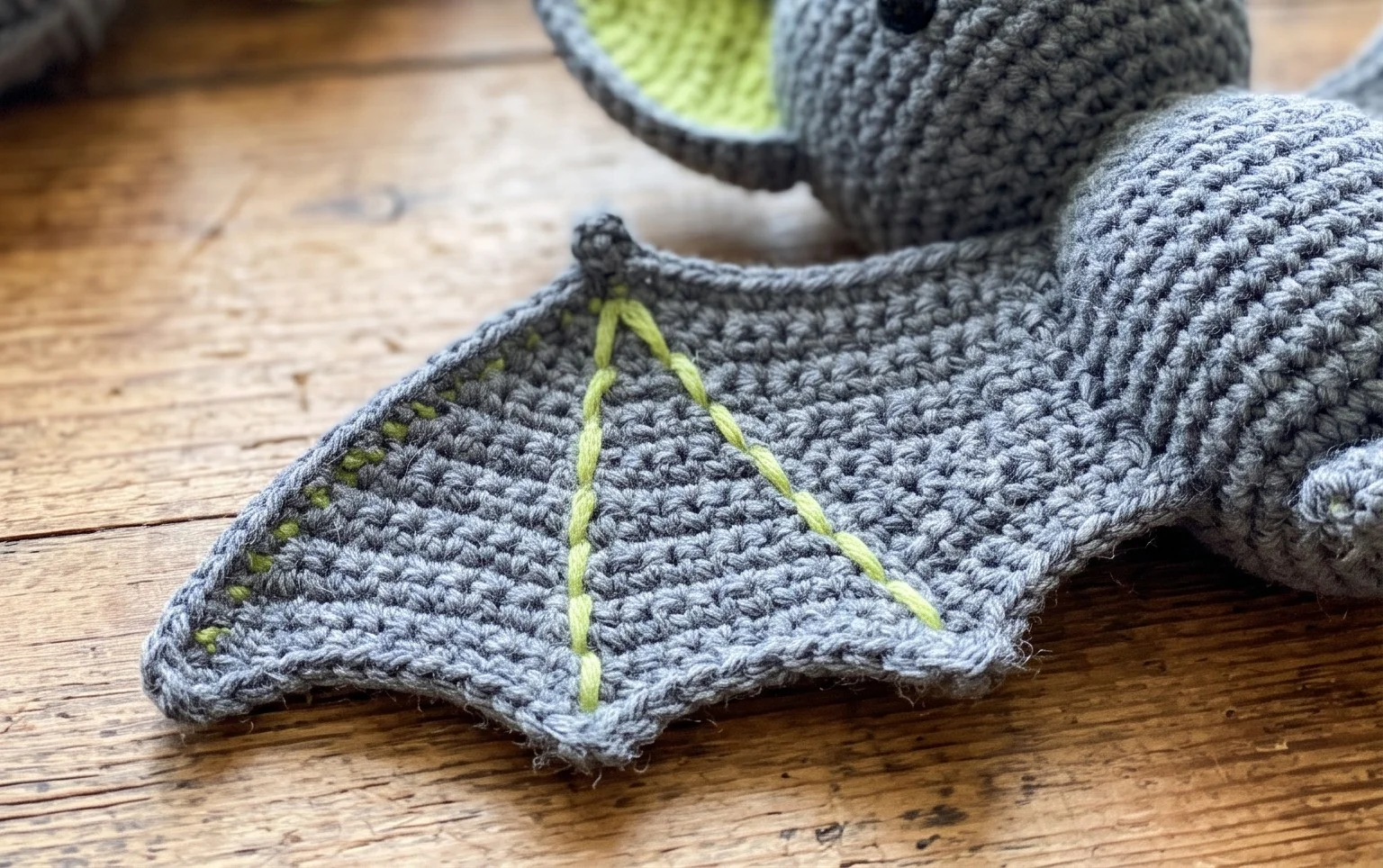
Your finished set of handmade bats brings a playful touch to your seasonal decor and makes a thoughtful gift for friends who appreciate small, handcrafted items. You can experiment with using glow-in-the-dark yarn for the eyes or switching to a fuzzy mohair blend to give your creatures a slightly spookier texture. Please share a photo of your completed project with us by tagging our social media account so we can see your color choices. You can find more free patterns by browsing our full library of seasonal toys and decorations.